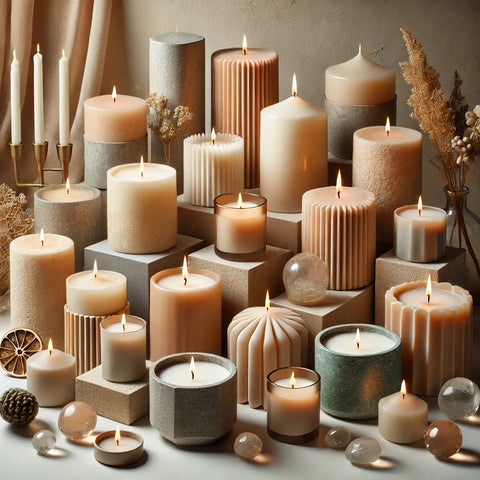

For decades, paraffin wax has been one of the most widely used materials in the manufacturing of decorative and aromatic candles. Its low cost and ease of production have made it a popular component. However, in recent years, there has been a trend towards more natural and sustainable materials, such as soy wax, beeswax, and other vegetable derivatives. This shift is a response to greater awareness of the negative effects of paraffin on the environment and health. Below, we will explore the main problems this material presents and why opting for more natural alternatives is a responsible and sophisticated choice for your home.
Polluting emissions when burned
Paraffin wax is a petroleum derivative, and when burned, it releases toxic substances such as benzene and toluene, both considered carcinogens. Although these emissions are minimal in occasional household use, their accumulation in the indoor environment can contribute to air pollution and respiratory problems, especially in sensitive individuals or those with pre-existing conditions. Choosing candles made with natural waxes helps create a cleaner and healthier environment in the home.
Smoke and soot
Paraffin candles tend to generate more smoke and soot, a common problem that not only affects air quality but can also stain walls, ceilings, and surfaces. This soot contains fine particles that, when inhaled, can affect the respiratory system and, in the long term, health. Natural wax candles, such as soy or beeswax, emit a cleaner burn and significantly reduce these residues.
Synthetic fragrances and their health effects
Many paraffin candles include synthetic fragrances that, when burned, can release volatile compounds, some of which are associated with allergies and respiratory problems. The preference for natural wax candles with essential oil fragrances or botanical perfumes not only contributes to a purer olfactory environment but also supports a more harmonious lifestyle respectful of our well-being.
Environmental impact of production
Paraffin production has a negative environmental impact as it is a byproduct of the petroleum industry, one of the main causes of pollution and natural resource exploitation. Furthermore, as it is not biodegradable, paraffin generates waste that remains in the environment long-term. Opting for natural and sustainable wax candles, such as soy wax, which is biodegradable and renewable, allows us to reduce our ecological footprint without giving up the pleasure of enjoying the warmth of a lit candle.
Artificial feel
Finally, beyond the physical effects, paraffin lacks the sensory richness and authenticity that characterize natural waxes. The experience of lighting a beeswax or soy wax candle offers a texture, aroma, and glow that connect with a more organic and sophisticated essence. These details elevate the atmosphere of the space and fill it with a warmth that transcends the merely aesthetic, inviting a more intimate and emotional experience.
The shift towards natural candles is not just a trend, but a way to embrace a conscious lifestyle committed to well-being. By choosing vegetable wax or beeswax candles, we are taking care of our health, protecting the planet, and creating spaces full of authenticity and beauty.